
Debunking Common Nursing Myths: Facts Every Nurse Should Know


Nursing is a Female-Only Profession
One of the most prevalent myths about nursing is that it's exclusively for women. While it's true that the profession has historically been female-dominated, more men are joining the field than ever before. In fact, the number of male nurses has steadily increased over the past few decades. This shift is helping to break down gender stereotypes and bring diverse perspectives to healthcare.

The Importance of Diversity in Nursing
Diversity in nursing ensures a broader range of experiences and viewpoints, which can improve patient care. Men in nursing are helping to change perceptions and demonstrate that caregiving is a professional skill set, not a gender role. Encouraging more men to enter nursing benefits the profession as a whole.
Nurses Are Just "Doctors' Assistants"
Another common misconception is that nurses are merely assistants to doctors. In reality, nurses are highly skilled professionals who play a critical role in patient care. They perform various tasks such as monitoring patient health, administering medications, and educating patients about health management.

The Expanding Role of Nurses
Nurses often act as patient advocates and are essential in developing care plans. With advanced training, many nurses take on specialized roles such as nurse practitioners or nurse anesthetists, providing high-level care independently of physicians. This autonomy underscores the vital role nurses play in the healthcare system.
Nursing is a Low-Stress Job
Some people believe nursing is a low-stress job because it is perceived as less demanding than being a physician. However, nursing can be incredibly stressful, involving long hours, critical decision-making, and emotional challenges. Nurses must balance multiple responsibilities while maintaining a compassionate demeanor.
Coping with Stress in Nursing
To manage stress, nurses often rely on strong support networks, both professionally and personally. Hospitals and healthcare organizations are increasingly recognizing the importance of mental health resources for nursing staff, offering programs and support systems to help nurses cope with the demands of their jobs.
Nurses Don't Need Higher Education
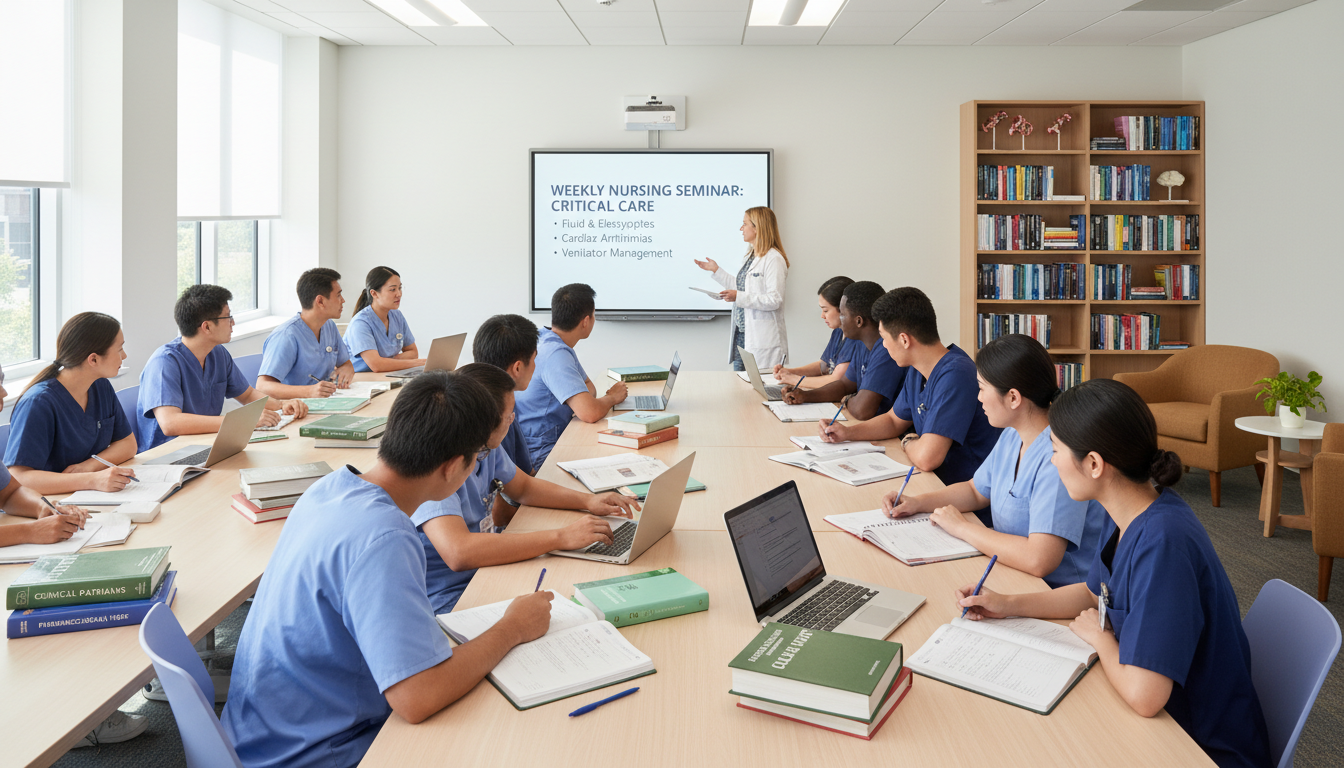
There's a myth that nurses don't require extensive education. In truth, nursing is a highly educated profession. Many nurses hold bachelor's or even master's degrees, and ongoing education is crucial for career advancement and skill development.
The Value of Continued Learning
Continued learning and specialization allow nurses to stay current with medical advancements and provide the best possible patient care. Certifications in areas such as emergency nursing or pediatric care demonstrate a nurse's commitment to their field and enhance their expertise.
By debunking these myths, we can foster a more accurate understanding of the nursing profession, recognizing the dedication and expertise nurses bring to healthcare every day.