
Bridging the Gap: How Healthcare Providers Can Connect with Local Communities


Understanding the Importance of Community Connection
For healthcare providers, establishing a strong connection with local communities is essential. It fosters trust, improves patient outcomes, and ensures that services are tailored to meet the specific needs of the population. As healthcare becomes more personalized, understanding the community's demographics and health challenges becomes increasingly important.
Connecting with local communities not only helps in providing effective care but also aids in promoting preventative measures. By engaging with residents, healthcare providers can better address concerns and encourage healthier lifestyles that are relevant to the specific community.

Strategies for Building Strong Community Relationships
Engage Through Health Education Programs
One of the most effective ways to connect with communities is through health education programs. These programs serve as a platform for spreading awareness about various health issues and preventative measures. By organizing informative workshops and seminars, healthcare providers can educate the public about important health topics and create a dialogue around community-specific issues.
Collaborate with Local Organizations
Collaboration is key to bridging the gap between healthcare providers and communities. By partnering with local organizations, schools, and community centers, healthcare providers can extend their reach and impact. These collaborations can lead to initiatives such as free health check-ups, vaccination drives, and health fairs that can significantly benefit the community.

Leveraging Technology for Better Connectivity
Utilize Social Media Platforms
In today’s digital age, social media platforms offer a unique opportunity for healthcare providers to connect with local communities. By maintaining an active presence on platforms like Facebook, Instagram, and Twitter, healthcare providers can share valuable health information, updates on services, and engage in real-time communication with community members.
Implement Telehealth Services
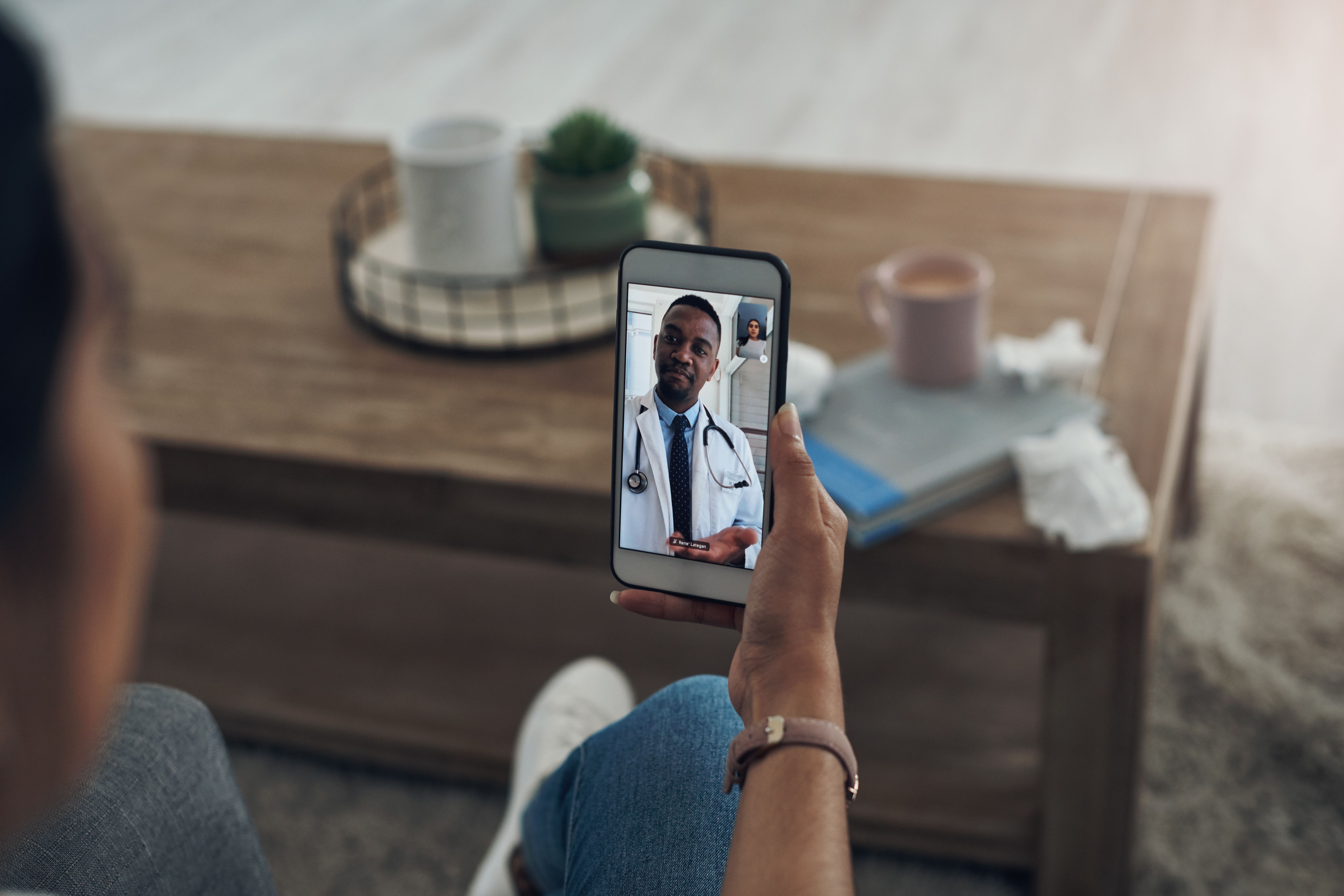
Telehealth services have become increasingly popular, especially in rural or underserved areas. By offering virtual consultations, healthcare providers can reach patients who might otherwise face barriers to accessing care. This not only improves access but also strengthens the relationship between providers and the community by offering convenience and flexibility.
Building Trust Through Personalized Care
Trust is a cornerstone of effective healthcare delivery. Personalized care involves understanding patients' unique needs and preferences. Healthcare providers can establish this trust by taking time to listen and engage with their patients, ensuring they feel valued and understood.
Moreover, by incorporating patient feedback into service improvement strategies, healthcare providers demonstrate their commitment to quality care. This approach not only enhances patient satisfaction but also strengthens the bond between providers and the community.
The Long-term Impact of Community Engagement
The benefits of connecting with local communities extend beyond immediate health improvements. Long-term community engagement can lead to sustainable health outcomes, reduced healthcare costs, and a more resilient community. By fostering a culture of health consciousness and proactive care, healthcare providers play a pivotal role in creating healthier communities.
Ultimately, the goal is to cultivate a partnership where both healthcare providers and communities work together towards shared health goals. By bridging the gap, healthcare providers can ensure that they are not just service providers, but integral parts of the community they serve.