
Bridging Cultural Gaps in Healthcare: Personalized Treatment Plans


Understanding Cultural Influences in Healthcare
In today’s globalized world, healthcare providers often encounter patients from diverse cultural backgrounds. These cultural differences can significantly impact how patients perceive healthcare services, communicate symptoms, and adhere to treatment plans. Understanding and respecting these differences is crucial for delivering effective healthcare.
Cultural beliefs can influence a patient's health behaviors, attitudes towards illness, and expectations from medical treatments. For example, some cultures may prioritize holistic approaches over conventional medicine, while others might have specific dietary restrictions that affect treatment plans. By recognizing these differences, healthcare professionals can create more successful and personalized treatment strategies.
The Importance of Personalized Treatment Plans
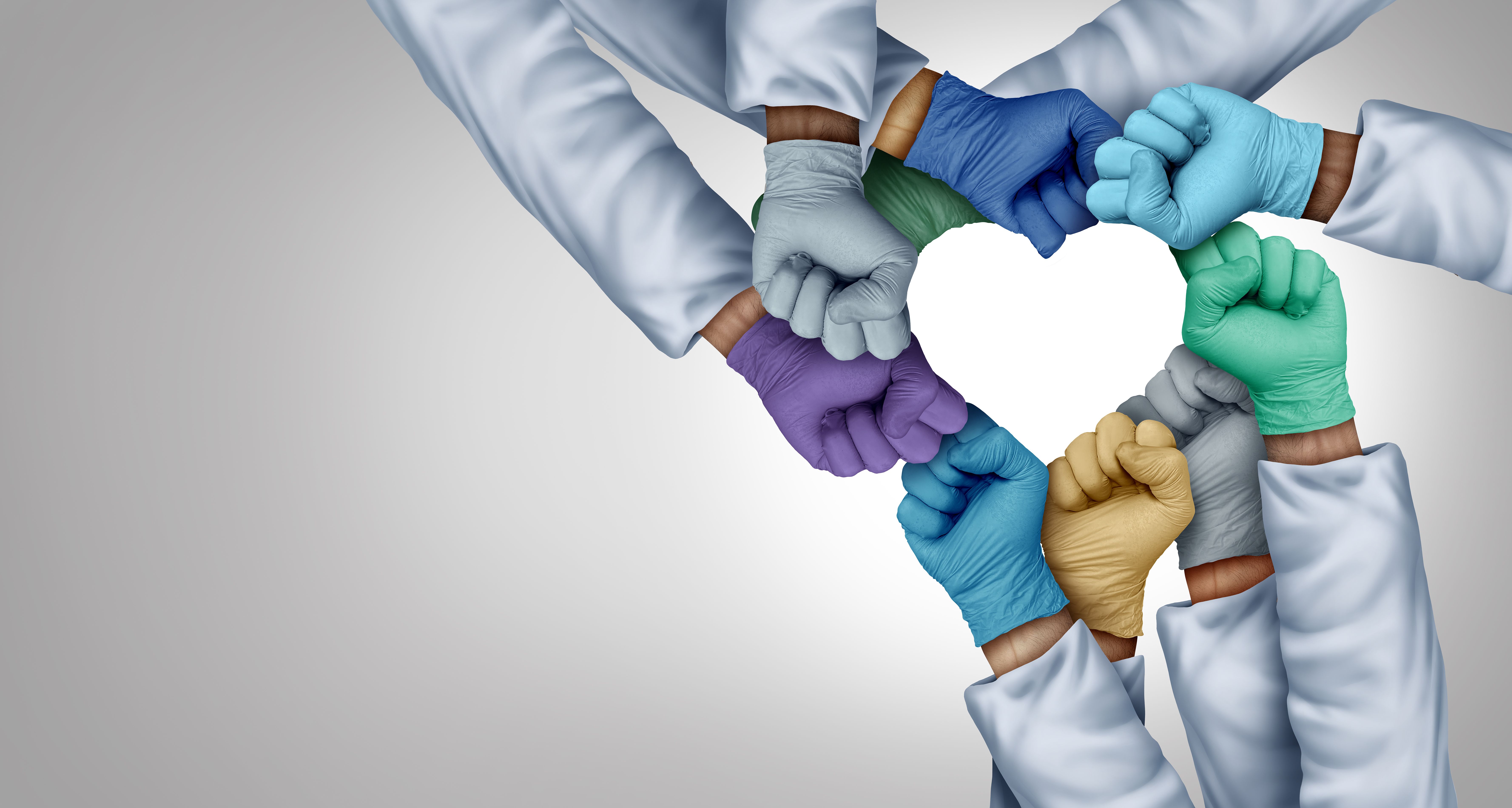
Personalized treatment plans are essential in bridging cultural gaps in healthcare. These plans consider the unique cultural, social, and personal factors of each patient. By doing so, healthcare providers can tailor their approach to better meet the needs of their patients.
Creating a personalized treatment plan involves more than just adjusting medical dosages. It includes understanding a patient's lifestyle, dietary habits, and cultural practices. This holistic view ensures that treatments are not only effective but also culturally appropriate, thus improving patient compliance and outcomes.
Strategies for Developing Culturally Sensitive Treatment Plans
To develop culturally sensitive treatment plans, healthcare providers can adopt several strategies:
- Engage in active listening to understand the patient's perspective.
- Incorporate cultural competence training for healthcare staff.
- Utilize interpreters or cultural liaisons when language barriers exist.
- Encourage patient involvement in decision-making processes.
These strategies help create an environment of trust and respect, essential for effective healthcare delivery. By actively involving patients in their treatment plans, healthcare providers can ensure that these plans align with the patients' cultural values and beliefs.

Overcoming Challenges in Culturally Diverse Settings
While personalized treatment plans offer numerous benefits, implementing them in culturally diverse settings can present challenges. One significant challenge is the potential for misunderstandings due to language barriers or cultural nuances. Healthcare providers must be aware of these pitfalls and work proactively to address them.
Another challenge is the limited availability of resources to support culturally tailored care. This can include a lack of culturally competent staff or insufficient access to translation services. Overcoming these challenges requires commitment from healthcare organizations to invest in resources and training that support culturally responsive care.

The Role of Technology in Bridging Cultural Gaps
Technology plays a pivotal role in bridging cultural gaps in healthcare. Telemedicine, for example, offers a platform for patients from different cultural backgrounds to access healthcare services without geographical constraints. It also provides opportunities for real-time interpretation services, ensuring clear communication between patients and providers.
Furthermore, electronic health records (EHRs) can be used to document cultural preferences and treatment plans, ensuring that all healthcare providers involved in a patient's care are informed and aligned in their approach. As technology continues to evolve, it will further enhance the capacity for personalized and culturally sensitive healthcare delivery.