
A Veteran's Perspective: Bridging Military and Civilian Healthcare


Introduction to Bridging the Gap
For many veterans, transitioning from military to civilian life presents unique challenges, especially when it comes to healthcare. The systems are distinctly different, each with its own set of protocols, priorities, and nuances. Understanding these differences is crucial for both healthcare providers and veterans themselves.
Understanding Military Healthcare
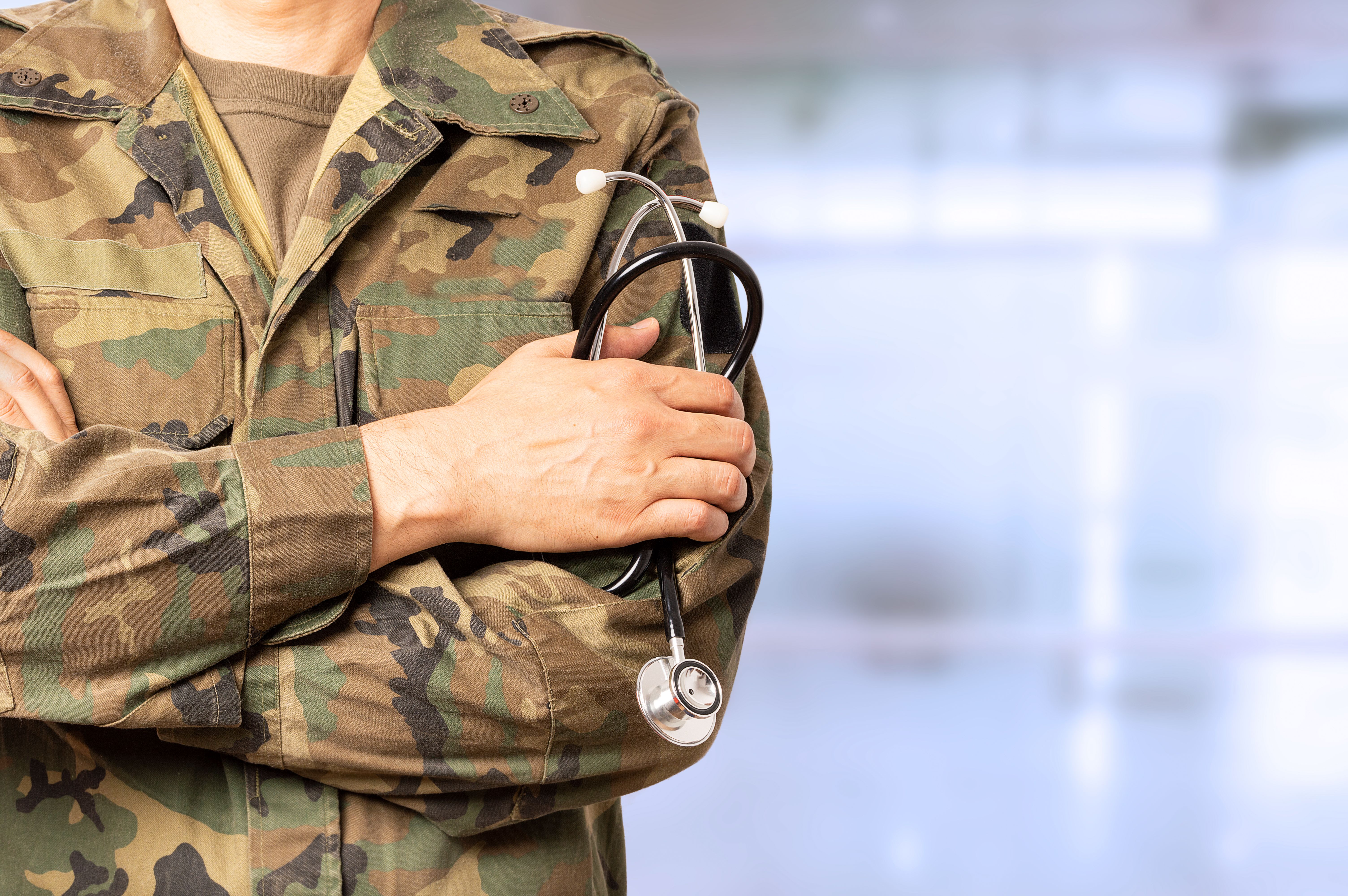
Military healthcare is structured to address the specific needs of service members. It is characterized by a focus on acute care, rapid response, and a holistic approach to physical and mental health. The system is designed to maintain readiness, ensuring that service members are fit for duty at all times.
In addition to the physical demands, there is a strong emphasis on mental health due to the unique stresses of military life. Programs are in place to address issues such as PTSD, traumatic brain injuries, and other service-related conditions.
The Civilian Healthcare Landscape
In contrast, civilian healthcare operates in a more fragmented manner. It involves a wide array of providers, insurance plans, and facilities. The focus is often on managing chronic conditions and preventive care, which can be a shift for veterans used to the military's approach.

Challenges Faced by Veterans
Veterans often encounter several challenges when transitioning to civilian healthcare. These include navigating insurance systems, understanding civilian medical terminology, and finding providers who are familiar with military-specific health issues.
Moreover, the wait times and bureaucratic processes can be daunting. Veterans may struggle with the lack of continuity in care, especially if they have complex medical histories linked to their service.
Bridging the Gap: Strategies and Solutions
Several strategies can help bridge the gap between military and civilian healthcare systems. Here are a few key approaches:
- Education and Training: Providing training for civilian healthcare providers on military culture and common health issues faced by veterans.
- Integrated Care Models: Developing integrated care models that bring together military and civilian healthcare services.
- Improved Communication: Encouraging better communication between veterans and their healthcare providers to ensure understanding and trust.
The Role of Technology
Technology can play a significant role in easing the transition for veterans. Telehealth services, for instance, can provide veterans with access to specialists who understand their unique needs, regardless of location.
Electronic health records that are accessible across both military and civilian systems can also ensure continuity of care. This integration is crucial for tracking medical histories and coordinating treatments effectively.
Conclusion: A Collaborative Effort
Bridging the gap between military and civilian healthcare requires a collaborative effort from all stakeholders. By understanding the unique challenges and implementing targeted solutions, we can ensure that veterans receive the care they deserve as they transition into civilian life.
It is vital for healthcare providers, policymakers, and communities to work together to create a seamless experience for veterans, honoring their service with the support and care they need.